 Houston’s warm, humid climate and soft, flexible clay soil are more than just an inconvenience; they are an active, constant threat against your property’s value – making building maintenance an integral part of your Houston business. Proactive maintenance is vital to preventing a devastating structural crisis, a productivity shutdown, or a complete loss of income. By investing in building maintenance for your company, your structure will not only be more reliable, with predictable, consistent repair costs. Still, it will also boast flawless regulatory compliance and dependability through Houston’s weather events. At Primetime Facility Services, we are experts in all things Houston building maintenance. Let us help you understand the unique challenges Houston buildings face and how we actively mitigate the risk.
Expansive Clay: The Foundation Challenge for Houston Buildings
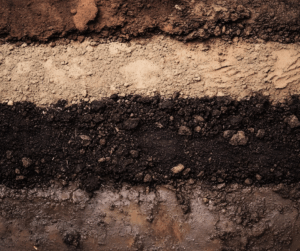
When it comes to proactive building maintenance in Houston, the most significant threat isn’t rot or aging; it’s undeniably the expansive, native clay soil. The key to understanding the positive impact of building maintenance is first understanding the soil’s composition and how it affects buildings in the Gulf Coast area. The soil in Houston is locally called Gumbo Clay or Houston Black soil because of its wet, soft texture.
What makes clay soil unique is because of its unique chemical composition. Unlike sandy or loamy soils, clay soil is composed of extremely fine, flat, platy particles that are stacked and layered across a large area. The trouble comes with the large surface area that the “stacked” particles make up, and how they react to water absorption. Because the surface area of the clay is so expansive, they are able to absorb and hold large amounts of water, which also causes the soil to swell in turn. This places significant upward pressure on any structures above it, such as a building.
After the soil dries out, it shrinks back into itself, which can cause voids. If the voids are deep enough, it can cause your foundation to settle or even shift slightly. This can have detrimental outcomes on not just your foundational health, but also the lifespan and safety of your entire building – making the role of building maintenance in Houston invaluable.
Climate-Driven Foundation Damage Cycle for Houston Buildings
Now that you understand what makes Houston’s Gumbo Soil a major hazard for building and its longevity, the next step is to dive into how the infamous wet-to-dry cycle of clay impacts your building’s foundation. Learning the different cycles and how they can damage your foundation is imperative for keeping your building safe through all of Houston’s weather.
The Wet Cycle: Swelling and Heaving
This is what happens during Houston’s notoriously rainy season. On average, the city receives around 45 inches of rain per year, making the wet cycle very common and building maintenance integral. When the soil swells and begins to rise, it operates like a structural jackhammer for your building, making a powerful, upward pressure that can greatly damage your concrete slab in the process.
However, not only can this phase damage your building’s foundation, but it can also create significant pressure on the foundation walls as well. This happens because, as the soil swells, it becomes heavier and the water can become trapped under the surface. When the weight increases significantly, it creates a heavy, constant lateral force on the foundation wall, known as hydrostatic pressure. Although concrete is one of the strongest materials, this pressure can still overcome its strength and lead to the following problems:
- Foundation walls are bowing or cracking.
- Vertical or horizontal cracks are forming in the wall material.
- Water is being forced through any existing cracks, potentially causing leaks or interior moisture problems.
Heaving and hydrostatic pressure are some of the worst damages that your Houston building might face, making preparation for this problem difficult but essential.
The Dry Cycle: Shrinkage and Settlement
While the wet season in Houston can cause your building to rise and move, the moisture beginning to dry up can also have hazardous consequences. As the water begins to evaporate or retreat, the clay begins to shrink and move away from the foundation. This can create large voids, or gaps, between your building’s concrete slab and the soil.
The true problem with this is that it is rarely even. Because of this, the foundation almost always shifts or sinks disproportionately. When the shrinkage is uneven, it places immense pressure on the beams and concrete slab, resulting in the following issues:
- Diagonal cracks in drywall.
- Doors and windows are sticking.
- Star-step cracks in exterior bricks.
Even the smallest environmental factors can result in different levels of settling, including things like spots that are heavily shaded or have standing water compared to areas that get lots of sun. What makes the dry cycle interesting is that it’s not the movement that causes large-scale damage, but instead, the evenness of the settling.
Houston Building Maintenance: Key Foundation Protection Strategies
Surprisingly, foundational failure is not unavoidable – even in Houston’s wet-dry soil cycle. When you work with Primetime Facility Services, we understand the specific type of soil that makes Houston building maintenance unique and can use these essential strategies to protect your foundation from the elements. The most influential strategies that we use include:
- Consistent moisture management
- Excellent drainage and grading
- Tree and root management
- Plumbing vigilance
Consistent Moisture Management
The trick to building maintenance in Houston is understanding that while you can’t control the moisture and the unrelenting humidity, you can control the levels of moisture near or around your foundation. We do this by using a soaker hose or drip system to help deliver consistent, slow surges of water near your foundation. This allows water to soak deep into the clay soil but in a controlled way – offering stability and preventing shifting or voids from developing.
Excellent Drainage and Grading
While moisture control is an essential and highly effective defense system, proper drainage can help by channeling water away from your vulnerable foundation. This is by far the most effective way of preventing swelling from causing irreversible damage to your foundation. Our team at Primetime Facility Services can help create a reliable system by ensuring the ground slopes away from the building – usually with a 6-inch drop every 10 feet.
Tree and Root Management
Although trees are some of Houston’s most iconic features, they can also pose silent threats to your building’s foundation. This is because they aggressively seek water, sometimes causing roots to grow toward your foundation, which can lead to localized drying and shrinkage in the clay soil. Because of this, we always recommend not planting trees any closer than 15 feet from your building’s perimeter.
Plumbing Vigilance
Nothing is more destructive to your Houston building than an under-the-slab plumbing leak. This is because it creates a constant and localized source of water that causes constant and highly aggressive heaving. Our team at MIR Enterprise can help protect your building from this by performing scheduled periodic hydrostatic testing for your under-slab lines.
The Next Steps for Houston Building Maintenance
Understanding the unique risks associated with Houston building maintenance in expansive clay soil is integral to consistent, reliable upkeep. When you work with Primetime Facility Services, you can be sure your foundation stays in flawless condition, regardless of clay soil and the wet-dry cycle. Contact us today for a free building maintenance estimate for your Houston business.